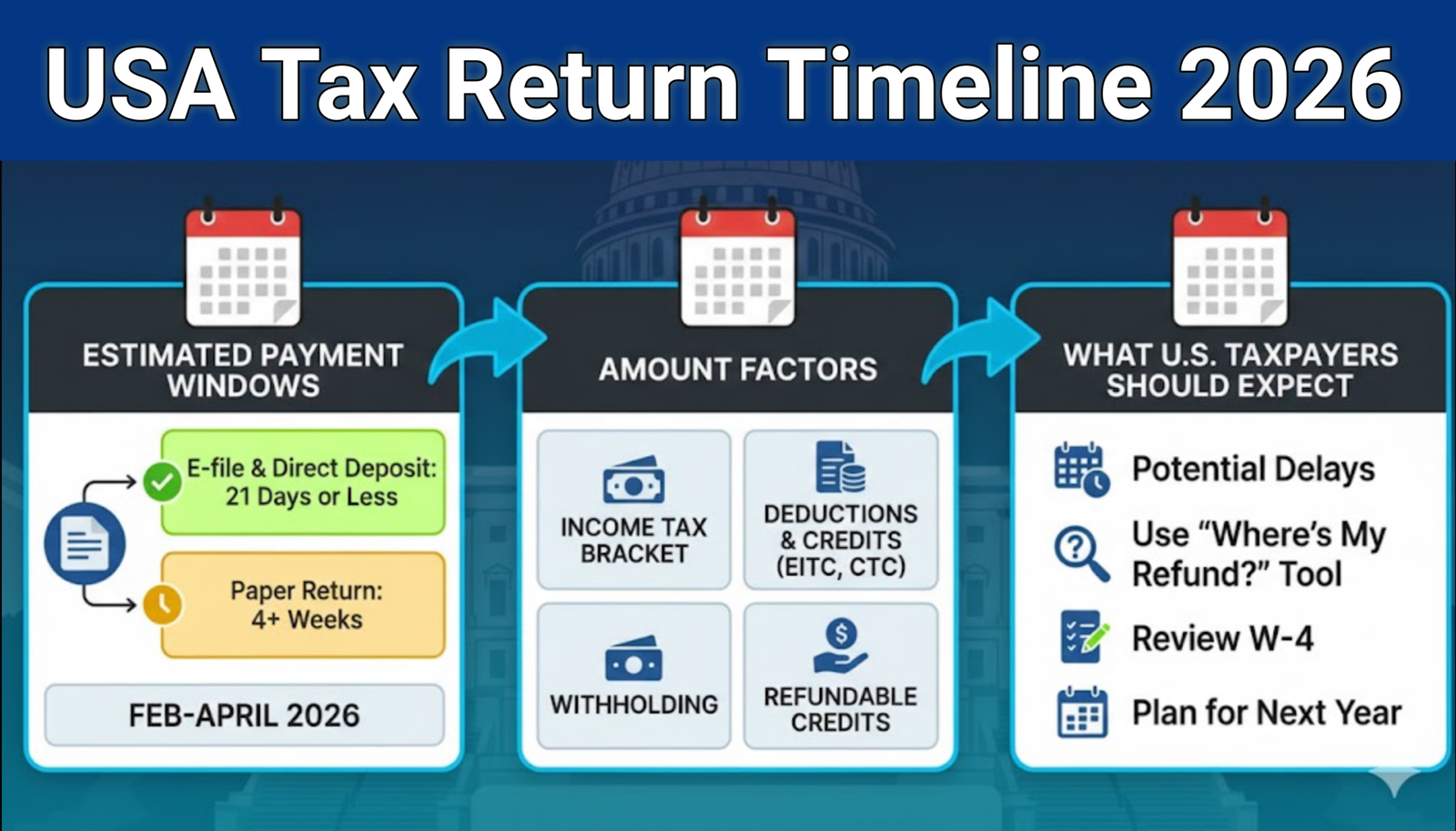
The 2026 IRS tax Filing Dates has been officially announced, and it brings some major updates that every taxpayer in abroad should know. Tax filing deadlines, refund timing, and penalties will affect millions of people this year. Understanding the new schedule is more important than ever because your tax refund can impact monthly budgets, bills, and daily expenses. Early filing is no longer just an option—it’s a smart financial move.
Table of Contents
Why the 2026 IRS Tax Calendar Matters
For many families, a tax refund isn’t extra cash—it’s planned money for rent, bills, car repairs, or school fees. The 2026 tax season officially begins in late January, with the final deadline set for mid-April. Missing this deadline or filing late can lead to penalties, interest charges, and delayed refunds. Early filing is the key to avoiding stress and getting your money faster.
Read More: U.S. Olympic Gold Medalist
Key 2026 IRS Tax Filing Dates
| Event | Date 2026 | Notes |
| Filing Starts | January 25 | Electronic filing recommended |
| First Refunds Issued | February 10 | Early filers get priority |
| Filing Deadline | April 15 | Late filing may incur penalties |
| Last Refund Wave | June 30 | For returns requiring verification |
How IRS Tax Refund Timing Is Changing
The IRS will continue issuing refunds in waves, but timing now depends on when and how accurately you file. Early electronic filers can receive refunds within a few weeks. However, returns filed later or those with mistakes or extra credits may face delays until late spring or early summer. Planning ahead gives you a big advantage.
IRS Tax Refund Timing Based on Filing
| Filing Type | Expected Refund Time |
| Early Electronic Filing | 2–3 weeks |
| Mid-Season Filing | 4–6 weeks |
| Late Filing or With Errors | 8–12 weeks or more |
What Happens if You File Late
Filing close to the deadline is risky in 2026. A small error, missing form, or identity verification can slow down processing. Penalties and interest start accumulating immediately, leaving little room for mistakes. Filing early avoids unnecessary stress and ensures you have access to your refund when you need it most.
Read More: UK Dependant Visa Rules
Benefits of Filing Early
Filing early doesn’t just secure your refund—it helps manage monthly finances better. February is often tight for many families after winter holidays. Receiving a refund early can cover expenses, reduce reliance on loans, and make budgeting much easier. Early action also reduces errors, making the process smoother.
Tips for a Smarter IRS Tax Season
- Gather all documents in January.
- Double-check forms for accuracy.
- File electronically for faster processing.
- Track your refund using the IRS online portal.
- Avoid last-minute filing to prevent penalties.
Final Thoughts
The 2026 IRS tax calendar is more than just dates on a page—it affects your finances, planning, and peace of mind. By filing early, checking details carefully, and understanding how refunds are processed, taxpayers can save time, reduce stress, and access their money faster. Treat the tax calendar as a tool, not a burden.
Read More: First US Bank Collapse
FAQs
Q: When does the 2026 tax filing season start?
The 2026 filing season starts on January 25, 2026.
Q: What is the deadline for filing taxes in 2026?
The official filing deadline is April 15, 2026.
Q: How long will it take to get a refund if I file early?
Early electronic filers typically receive refunds in 2–3 weeks.
Q: Can filing late affect my refund?
Yes, late filing can delay your refund and may result in penalties or interest.
Q: Is electronic filing better than paper filing?
Yes, electronic filing is faster, more secure, and helps avoid common errors.